The Outer Jinshui Bridges
Introduction
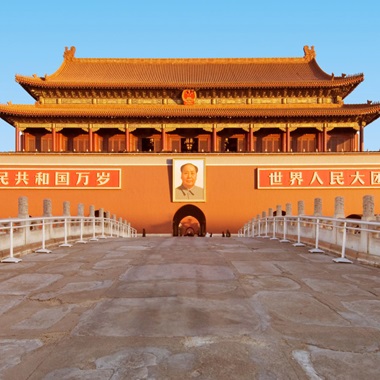
The Outer Jinshui Bridges are an integral part of the Beijing Central Axis, a significant architectural and cultural ensemble that traverses the historic heart of Beijing. Serving as key thoroughfares across the Golden Water River, these bridges are positioned just outside the Tian'anmen Gate, forming a vital link in the sequence of structures that makes up this historical axis. The bridges not only facilitate transport but also embody traditional architectural aesthetics and techniques, contributing to the visual harmony and ceremonial layout of the Central Axis. As part of the recently inscribed UNESCO World Heritage Site, the Beijing Central Axis, the Outer Jinshui Bridges hold both architectural and symbolic importance in reflecting the grandeur and planned precision of ancient Chinese capital cities.
Historical Background
The construction of the Outer Jinshui Bridges dates back to the era when Beijing was being established as the imperial capital. This was during the construction of the Beijing Central Axis, which began in the 13th century and reached completion in the 16th century. These bridges were originally designed to serve the ceremonial and practical needs of imperial China, facilitating the movement of people and goods across the prominent Golden Water River. The Axis, including the bridges, represents a pinnacle of urban planning, influenced by Confucian ideals of symmetry and order. Over the centuries, the bridges, like the Axis itself, have undergone refinements to maintain their structural integrity and aesthetic appeal, ensuring they continue to communicate the architectural ingenuity and cultural significance intended by their original builders.
Architectural Features
The Outer Jinshui Bridges are remarkable for their traditional Chinese architectural elements. Built with precision and symmetry, these stone bridges feature intricately carved balustrades and decorative motifs that are emblematic of classical Chinese aesthetics. The bridges' arches are constructed to allow smooth passage of water beneath, reflecting advanced engineering techniques of the era. Their design incorporates elements that symbolize prosperity and peace, such as the use of dragons and other auspicious symbols, which are common in imperial art and architecture. The craftsmanship displayed in the construction of the bridges is indicative of the high level of skill and artistry achieved during the time of their creation. The alignment of the bridges with the central line of the Axis is a testament to the importance of geometric precision and balance in Chinese urban planning.
Cultural Significance
The Outer Jinshui Bridges hold profound cultural significance as part of the Beijing Central Axis, a structure that embodies the philosophical and social ideals of Chinese civilization. Their position along the Axis, directly in front of the Tian'anmen Gate, underscores their role in imperial ceremonies and processions, which were designed to manifest the power and prestige of the emperor and the state. The bridges serve as a physical and symbolic connection between the sacred space of the Forbidden City and the civic areas southward along the Axis. Additionally, their design reflects the traditional Chinese principles of neutrality and harmony, which have been central to the nation’s cultural ethos for centuries. The bridges are not only functional structures but also serve as a reminder of the historical continuity and cultural cohesion that have shaped Beijing's identity.
Preservation and Restoration
The preservation and restoration efforts for the Outer Jinshui Bridges are part of broader initiatives to maintain the integrity of the Beijing Central Axis. Between 2020 and 2023, comprehensive protection plans were implemented, focusing on the renovation of these historical structures to safeguard them against deterioration. These efforts include meticulous archaeological research and the use of traditional techniques to restore the bridges' original features. Enhancements to the surrounding environment aim to preserve the historical and visual context of the bridges, ensuring they remain a vibrant part of Beijing's urban landscape. These actions reflect a commitment to maintaining the cultural heritage of the city while allowing for ongoing public engagement and educational opportunities related to the bridges and the Axis as a whole.
Tourist Information
Visiting the Outer Jinshui Bridges offers a unique opportunity to explore a crucial component of Beijing's historical and cultural landscape. Tourists can access the bridges as part of a visit to the Tian'anmen Square Complex or while exploring the broader Beijing Central Axis. Guided tours are available, providing insights into the architectural features and historical significance of the bridges and their role within the Axis. The area is well-served by public transport, making it a convenient destination for both local and international visitors. Efforts have been made to enhance the visitor experience through informative displays and accessibility improvements, ensuring that the bridges can be appreciated by a wide audience as part of Beijing's rich cultural tapestry.








